
Along the Archival Grain  1 Where the Story Begins: First Encounter to Horai Rice 1.1 Eikichi Iso and the First Development of Horai Rice in Taiwan
1.1
Eikichi Iso and the
First Development
of Horai Rice in Taiwan
Eikichi Iso was a Japanese plant breeder who was sent to the Japanese colony of Taiwan from 1912 until 1950. He cultivated a new variety of rice by crossbreeding Japanese varieties with others that could be grown on Taiwanese soil to produce rice grains preferred by Japanese consumers. These new rice varieties are known as Horai Rice.
Referenceshttps://cross-currents.berkeley.edu/e-journal/issue-33/leow
ARCHIVE
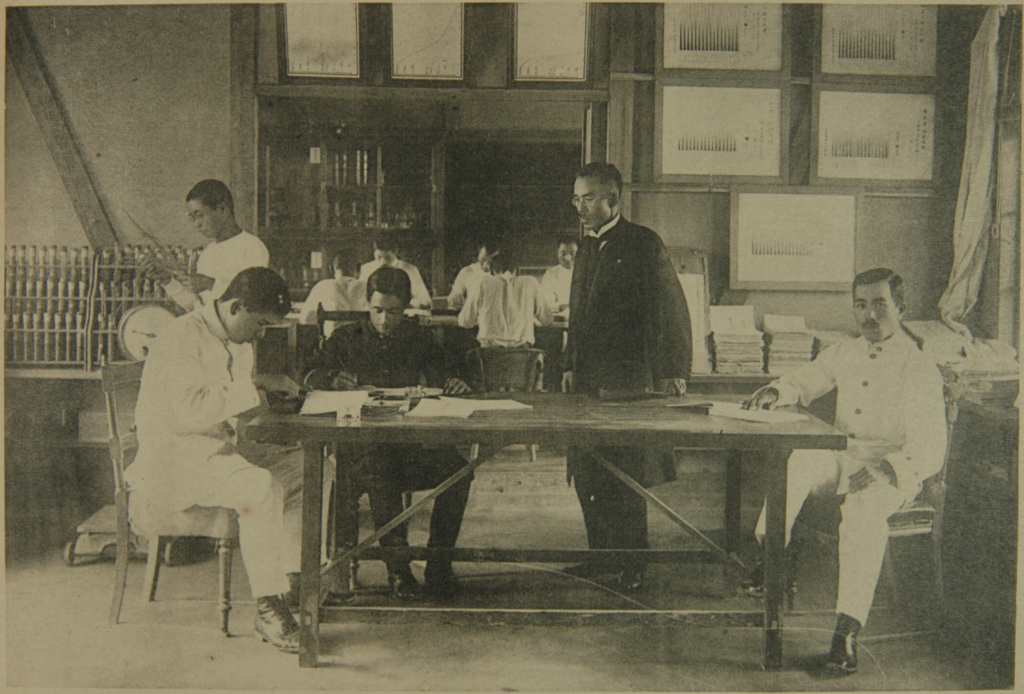
Itsuma Nishiguchi (from left), Karajiro Moriyama, Jin Suenaga, and Eikichi Iso working on their rice research. Source: www.japantimes.co.jp
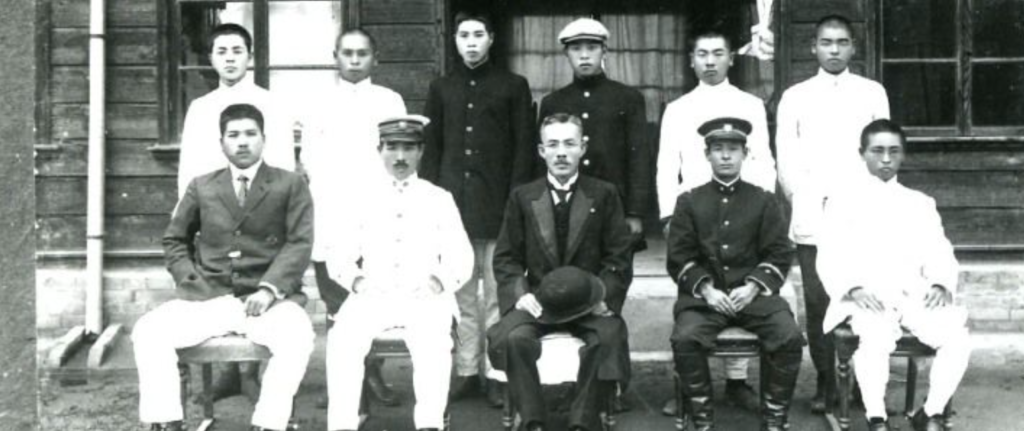
An article about engineer Megume Suenaga who worked with Eikichi Iso. He was in charge of technology development during Taichung 65 research.https://www.nippon.com/ja/column/g00518/?pnum=1
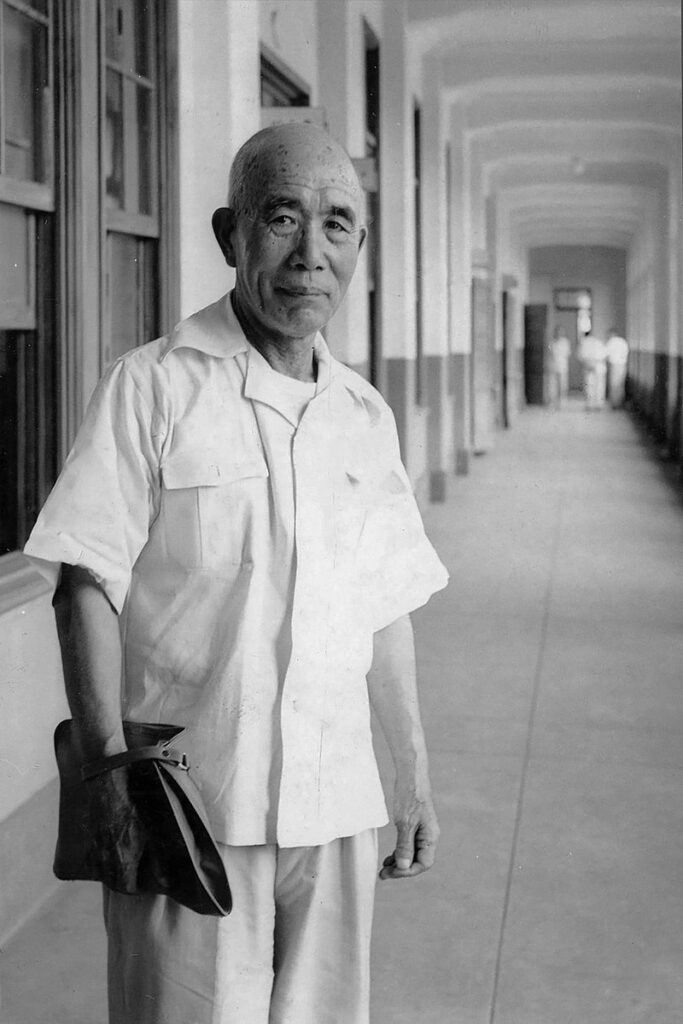
Portrait of Eikichi Iso. Source: Wikidata.
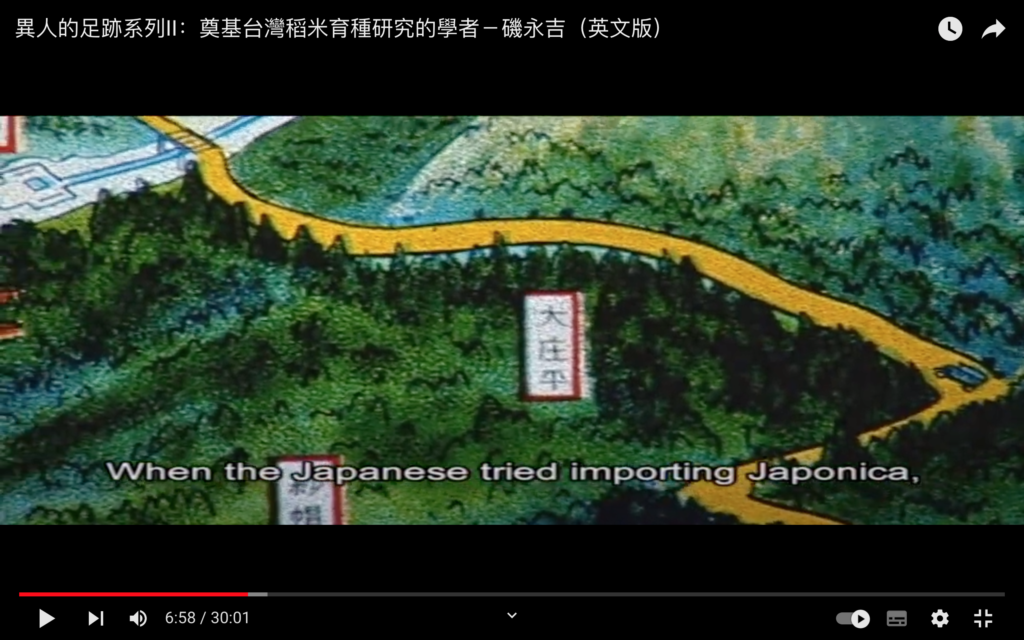
The Story of Eikichi Iso and Horai Rice in Taiwan.https://www.youtube.com/watch?v=KKJaU_-SuFM
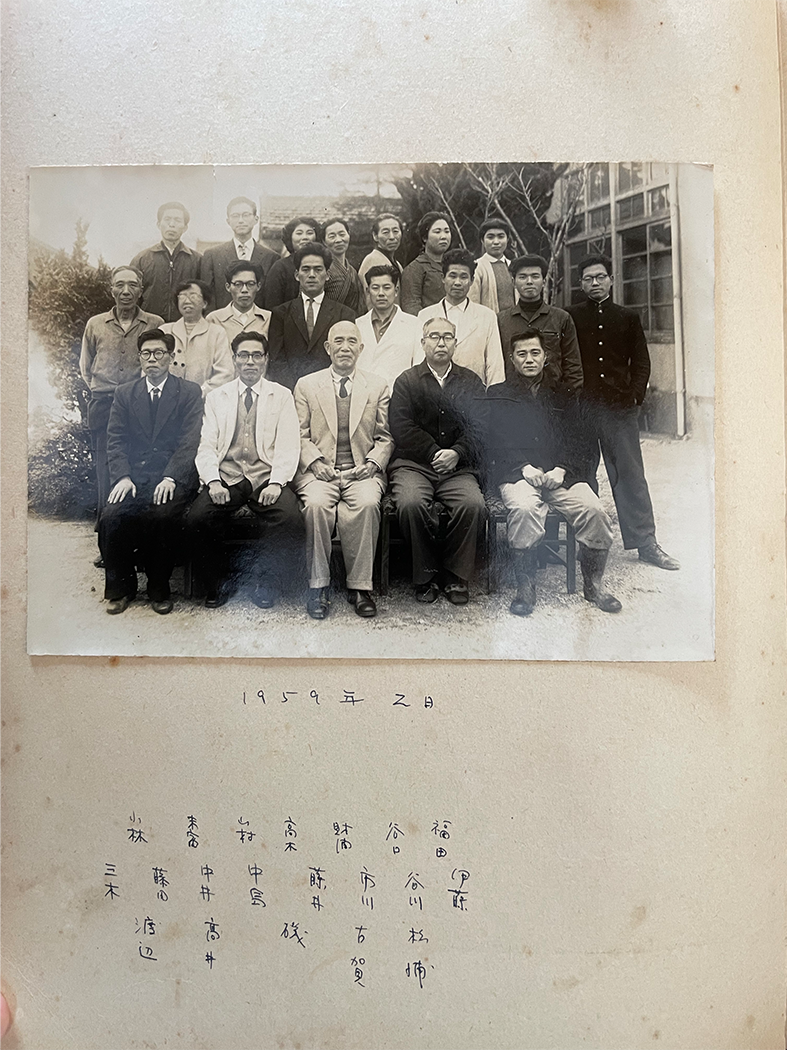
These two photos were taken by Eikichi Iso and his colleagues when they worked at the Agricultural Experiment Station in Yamaguchi Prefecture after the war.IMG_5691.HEIC
Photo provided by Toshio Nakajima
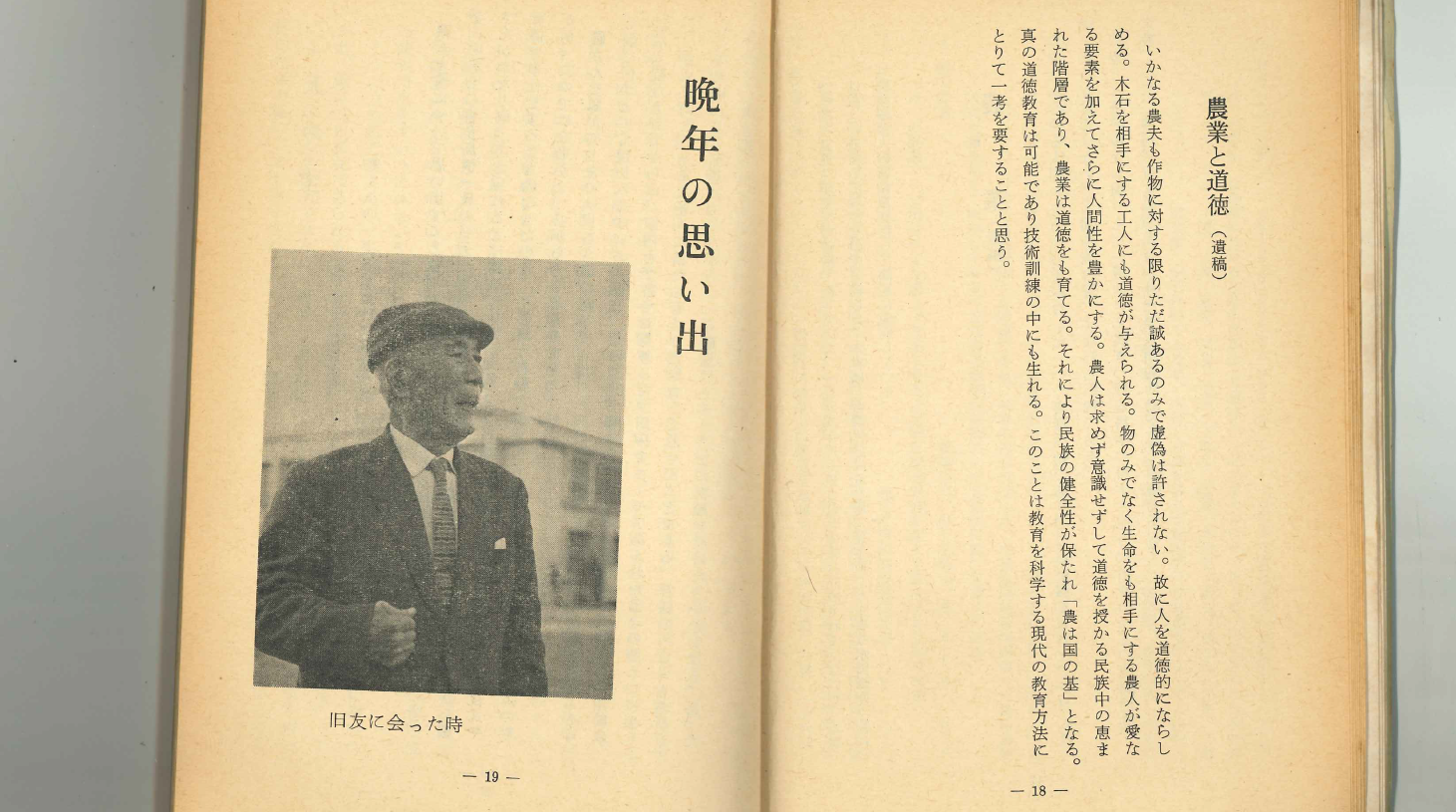
The page to the right of this photo shows the posthumous manuscript of Eikichi Iso. The text is about agriculture and morality. The following is the content of his last writings.
A farmer should only be sincere to his crops, and no falsehood is tolerated. Therefore, he must be moral. Even a laborer who works with wood and stone needs a sense of morality. The farmer, who deals not only with material things but also with life, adds the element of love to further enrich humanity. Farmers are a privileged class of people who receive morality without seeking it or even being aware of it. This will maintain the health of the nation and make agriculture “the foundation of the nation.” True moral education is possible, and it can also be born in technical training. This is something that needs to be considered in the modern scientific approach to education.
遺稿(農業と道徳).pdf
磯永吉追想録 より
山口県立文書館 蔵
